The Importance of Airport Design for Passenger Satisfaction
Airport design plays a crucial role in shaping the passenger experience. According to J.D. Power research, the physical layout and amenities of an airport can significantly influence travelers' satisfaction levels. When airports focus on creating an environment that prioritizes passenger needs—such as ease of navigation, comfort, and a sense of place—traveler satisfaction tends to go up. These elements not only help in managing the flow of passengers efficiently but also in making their time at the airport enjoyable and stress-free.
Streamlined Navigation: Making Terminals User-Friendly
Navigating through an airport can be a daunting task, especially for those who are not frequent flyers. One of the most effective strategies for improving passenger experience is to design terminals that are easy to navigate. Simple, straight terminal layouts, like those used at Detroit Metropolitan International Airport (DTW), make wayfinding straightforward. Passengers can easily count up or down to find their gates, reducing confusion and stress. Additionally, clear signage and intuitive design elements further enhance the ease of navigation, ensuring that travelers can move through the airport swiftly and efficiently.
Creating a Sense of Place: Local Flair Meets Global Brands
A sense of place is a critical component of a memorable airport experience. Airports that incorporate local culture and unique design elements provide travelers with a sense of having arrived at a destination, rather than just another stopover. Detroit Metropolitan International Airport exemplifies this by integrating elements of Detroit's culture into its design.
However, while a unique sense of place is essential, familiarity is also important. J.D. Power research indicates that passengers appreciate a mix of local flair and well-known national brands. This balance ensures that travelers can enjoy unique experiences while also having access to recognizable and trusted options.
Optimizing Space and Comfort: Wide Concourses and Moving Walkways
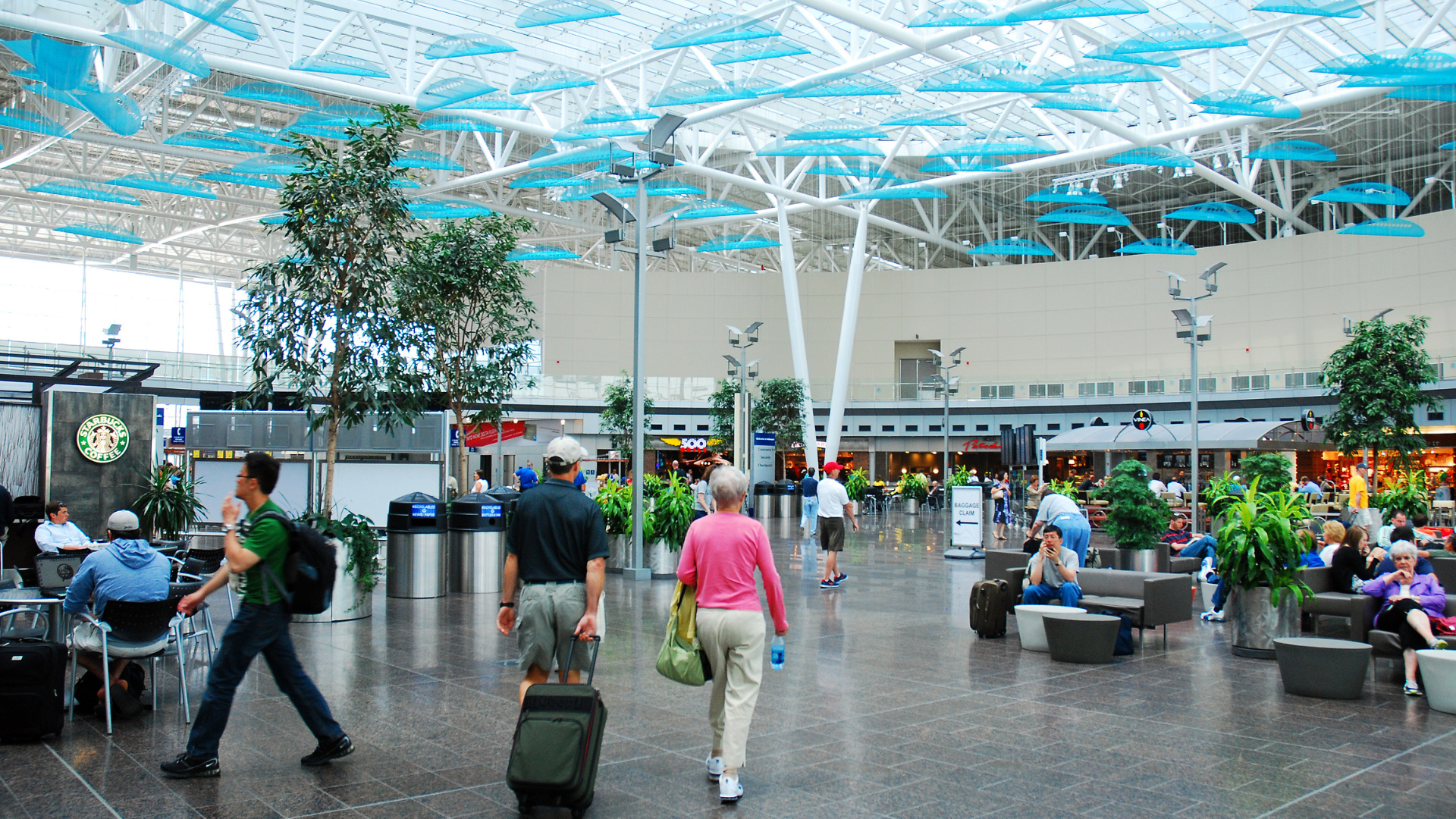
Comfort is another significant factor in enhancing passenger experience. Wide concourses can alleviate the feeling of crowding, making the airport environment more pleasant. DTW has created spacious concourses that provide a sense of openness, helping passengers feel more relaxed. Moving walkways and people movers are also crucial in this regard. They assist passengers in covering long distances with minimal effort, reducing physical strain and making the transit experience more comfortable. These features are particularly beneficial in large and mega airports where gates can be very far apart.
What Sets DTW Apart?
Detroit Metropolitan International Airport is a good example of effective airport design. Its straight terminal layout simplifies navigation, and the wide concourses and moving walkways enhance passenger comfort. The airport successfully integrates local cultural elements with familiar national brands, creating a balanced and engaging environment. By focusing on the key elements that contribute to a satisfying airport experience, Detroit Metro has managed to create an environment that is both efficient and enjoyable for passengers.
In conclusion, the design and amenities of an airport are critical in shaping the overall passenger experience. Elements such as streamlined navigation, a sense of place, comfort, and a variety of dining and retail options play significant roles in making an airport great. Detroit Metropolitan International Airport demonstrates how these strategies can be successfully implemented to enhance passenger satisfaction. As airports continue to evolve, focusing on these key elements will be essential in meeting the growing expectations of travelers worldwide.




No Comments Yet
Let us know what you think